
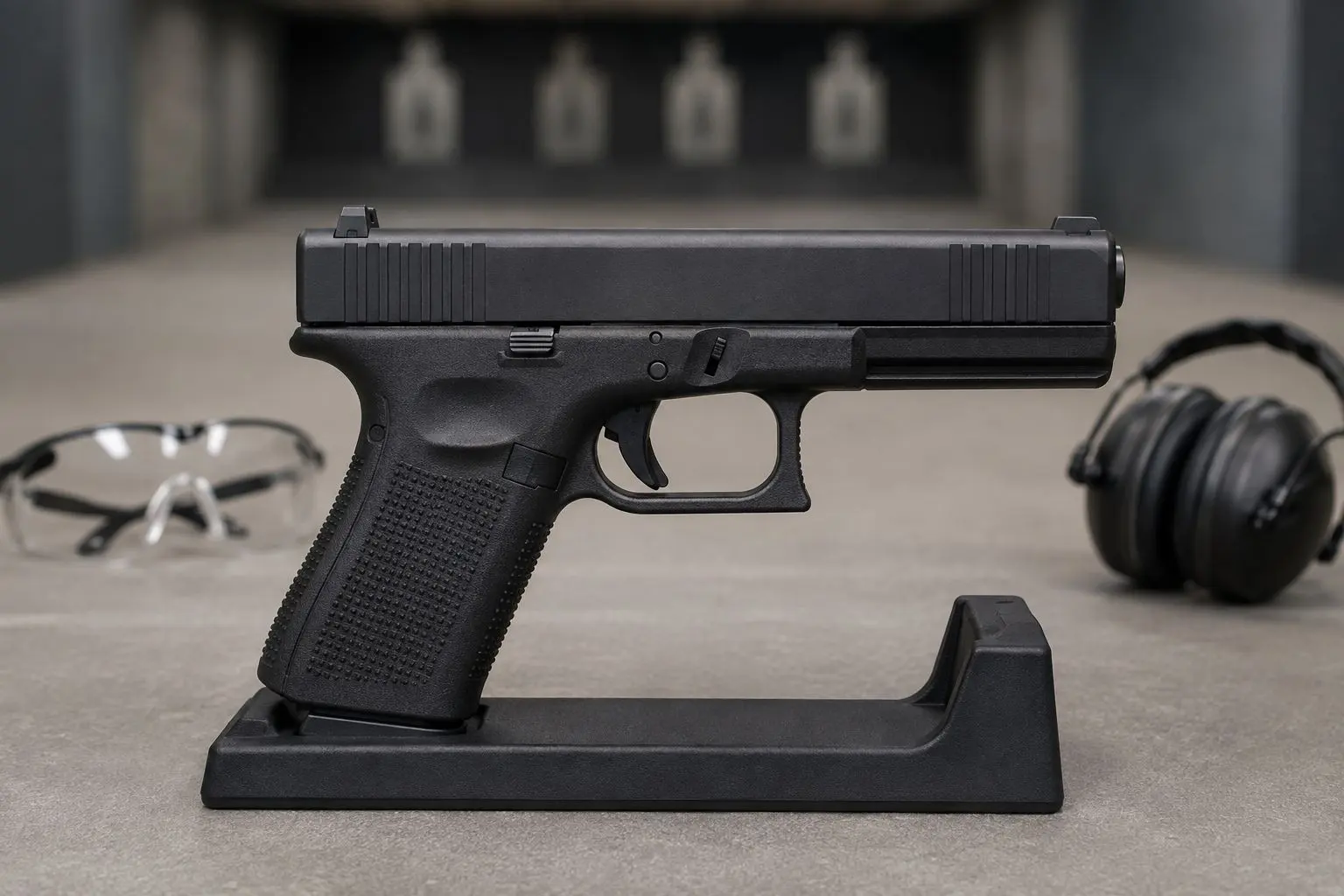



The overlooked part of range preparation is often not the handgun itself. It is checking that the ammunition matches the firearm and that the range permits what you plan to use before you leave home. That small pause can prevent a wasted trip, an unsafe mix-up or a distracting problem at the firing line. A useful pre-range inspection is not an armorers procedure; it is a disciplined review of condition, compatibility, controls and equipment while the firearm remains unloaded.
Start with the firearm in a known condition
Choose a clear well-lit work area away from distractions. Keep ammunition in another location while you inspect the handgun. Point the muzzle in a direction remove the magazine if one is present open the action and visually and physically confirm that the chamber, magazine well and any other area that can hold ammunition are empty. Follow the owners manual for the model.
Do not rely on memory or on the position of a control. A handgun can appear unloaded and still contain a cartridge. If you are interrupted,. Repeat the unloaded firearm handling check from the beginning rather than assuming nothing changed.
Once the gun is confirmed empty look for exterior concerns: unusual cracks, damaged grips, loose or missing screws, bent controls, heavy corrosion or debris around the barrel opening and action. Do not disassemble beyond the level described in the manual. If a part looks damaged feels unusually loose. Does not operate as described set the firearm aside and seek inspection by a qualified gunsmith or the manufacturer.
Verify ammunition before it enters the room
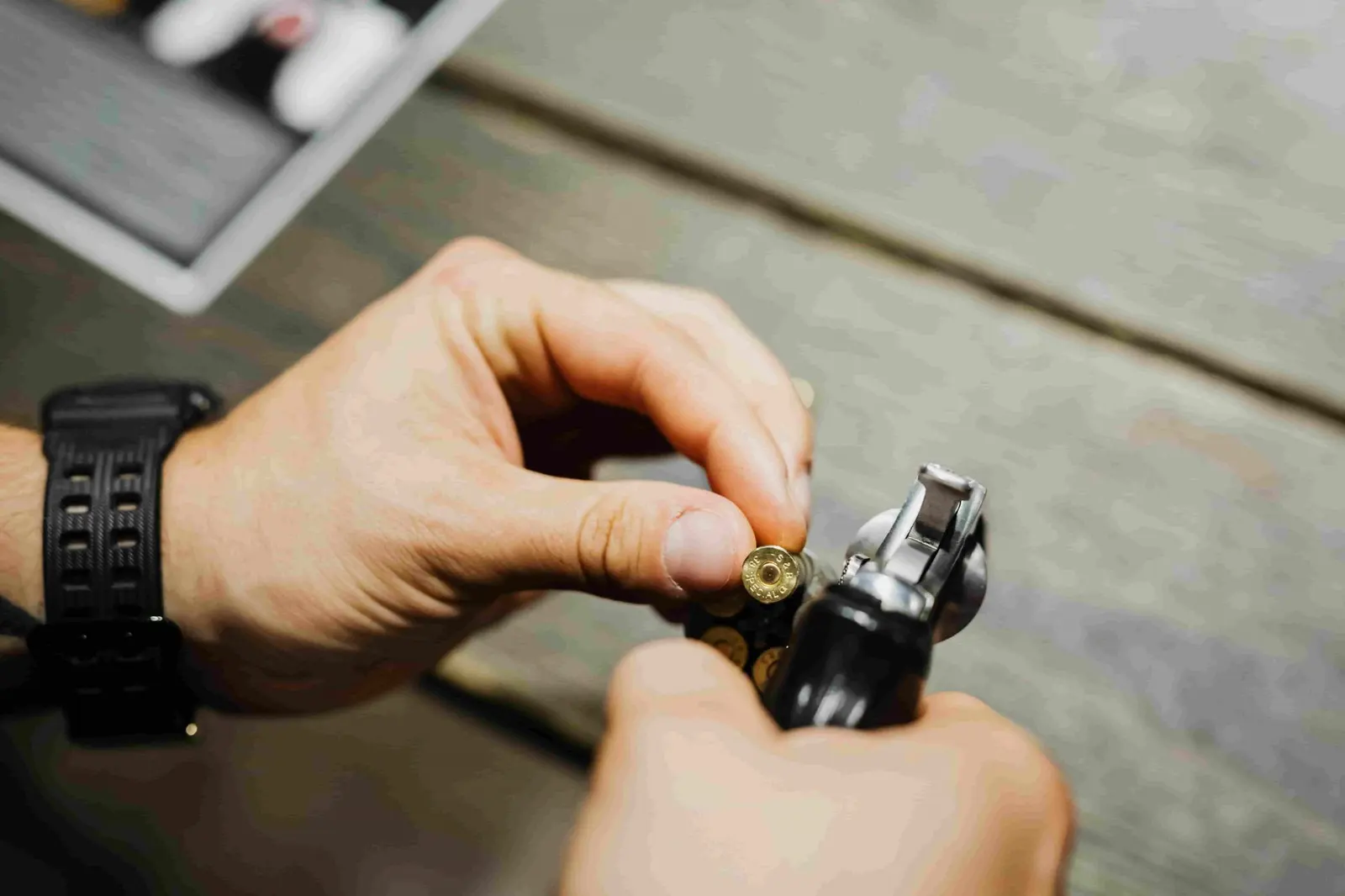
Ammunition errors are preventable. Deserve a separate check. Read the cartridge designation stamped on the barrel. Listed in the owners manual then compare it with the box. Do not use a cartridge because it appears similar fits a magazine or was stored beside the ammunition. Different cartridges can have names or dimensions but are not automatically interchangeable.
Inspect cartridges for corrosion, dents, splits, damaged bullets or other visible abnormalities. Keep them in their labeled packaging when possible. Do not attempt to repair, modify or test ammunition. Separate it from cartridges and follow the ranges instructions for handling or disposal.
Range rules also matter. Some facilities restrict ammunition types, targets, holsters, firearms or equipment. Rules and local requirements can change, so check the ranges information and consult official government sources for applicable laws before traveling. General safety advice cannot replace legal guidance.
Check controls without rushing a function check
With the firearm still unloaded, operate the controls identified in the owners manual. Confirm that the magazine inserts and releases normally the action. Closes as intended and the safety or other controls move through their designed positions without unusual resistance. A control that feels gritty binds, will not stay in position. Behaves differently from normal is a reason to stop.
A firearm function check is not a substitute for service. It should never involve ammunition, improvised testing or bypassing a safety feature. Do not alter, remove or defeat a safety device to make the gun feel more convenient. If the manual calls for a post-maintenance check use that procedure exactly and keep the muzzle pointed in a safe direction throughout.
Some owners choose to confirm that the sights are secure and that the trigger area is free of debris. That does not mean manipulating the trigger to "see if it works." Keep the trigger finger outside the trigger guard unless the firearm is being used in accordance with the ranges rules and the owner is prepared to fire at a target.
Inspect the parts that affect reliability and fit
A firearm is not necessarily a properly maintained firearm and more lubricant is not always better. Check the owners manual for approved cleaning methods and lubrication points. Look for oil in areas where it could collect dirt and remove visible fouling only as directed. If the handgun has been stored for a period exposed to moisture or transported in a damp case give corrosion and function extra attention.
Magazines deserve their look. Check for cracked bodies, damaged feed lips, looking springs or baseplates that do not appear secure. Do not force a magazine into the handgun if it does not seat normally.. Identify the cause instead of applying more pressure.
For Smith & Wesson handguns model- instructions remain the controlling reference. Looking models may have different controls, disassembly steps or maintenance requirements. Use the manual for the firearm rather than relying on a generalized video or advice intended for another variant.
Pack for a controlled range session
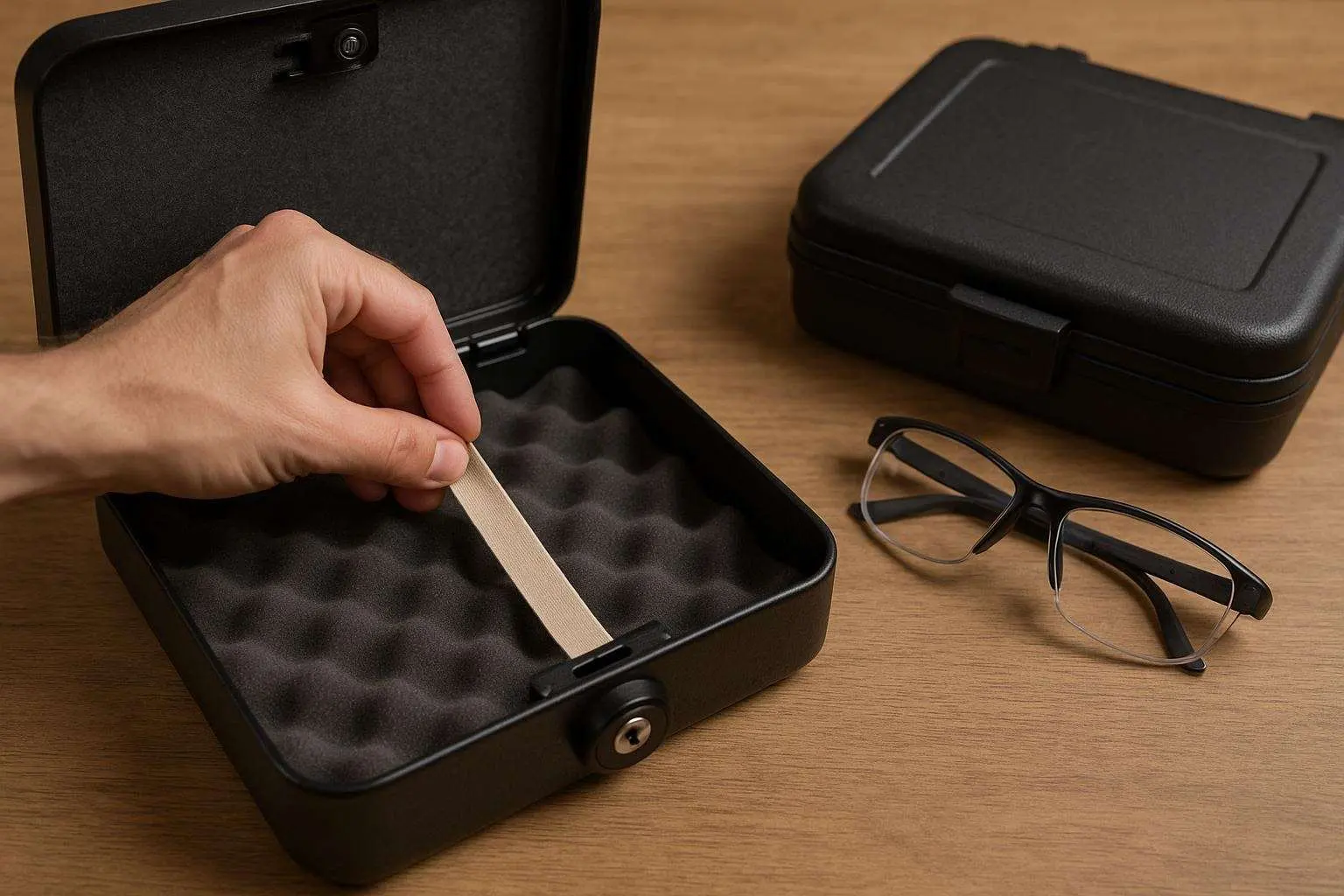
The final review should cover the items that keep handling orderly: eye and hearing protection the correct unloaded firearm case, labeled ammunition, magazines in sound condition targets allowed by the facility and any required identification or membership materials. Store the firearm and ammunition as required for transport in your jurisdiction and by the range. Requirements. May change; confirm them through current official sources.
A single written check can keep the consistent:
– Confirm the exact firearm and read the applicable manual.
– Unload, open and verify the chamber and magazine well.
– Inspect the exterior, barrel opening, controls and grips.
– Match ammunition to the markings and range rules.
– Set aside damaged or questionable ammunition.
– Check magazines, sights and visible maintenance concerns.
– Pack eye and hearing protection a compliant case and permitted equipment.
– Stop if anything feels abnormal, unclear or different from normal.
Do the inspection before loading the vehicle not for the time at the firing line. At the range repeat the unloaded confirmation whenever the firearm changes hands leaves its case or has been, out of your direct control. That repetition may feel unnecessary. It is also one of the habits supporting responsible ownership.