


Ensuring Your Handgun Fits Your Lifestyle
Buying your first handgun is a moment. Its important to make sure that the gun fits well into your daily life-not just in your hand. Issues, like storage hard to carry cases or difficult to use controls can make owning a gun more complicated than it needs to be. For someone who is buying a handgun for the time looking at how the whole experience of owning the gun-storage, transport, handling, cleaning and practice-will work for you is very important.
Identify Your Storage Needs
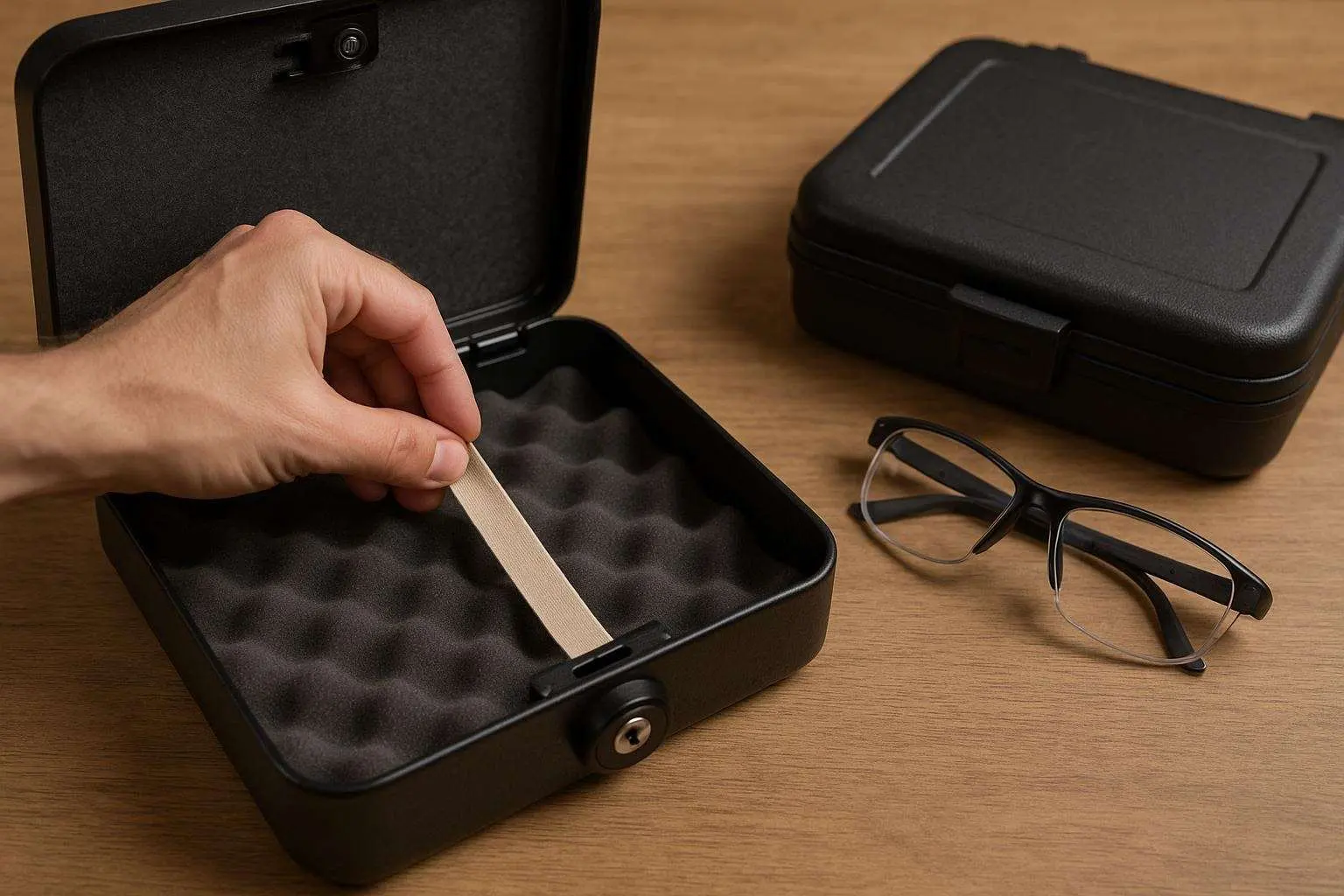
Before you even go to a store think about where your handgun will be kept. Look at the security of the place-who will be able to get to it is the spot dry. Will the way you store it cause problems? Choose a storage method that follows the rules from the maker and any local laws because this is not something to think about after the fact it's part of owning the gun.
When you pick a storage box measure the space you have and think about any safety features like rooms for trigger locks or protective cases. A smaller gun might look perfect but if the parts like the controls or the sights make it hard to store safely then it's not the choice. Knowing these details before you buy can avoid problems that come up after you own the gun.
Evaluate Fit and Control
When you hold the gun in the store it's not about feeling good; it's important to see if you can use it well. A bad fit might show up when you try to reach the controls like the magazine release or the slide. Comfort is one thing. Can you keep your finger outside the trigger guard while you handle the gun?
When you visit the store. Go to the shooting range ask about how to handle the gun and follow the rules carefully making sure the gun is not loaded to follow safety steps. Don't rush into a test. Check if you can move the controls easily without putting your hand in a position. Remember, choosing between a frame that gives stability or a smaller one thats easier to carry is not just about what you like; it's about how you plan to store and use the gun.
Prepare for Range Routine
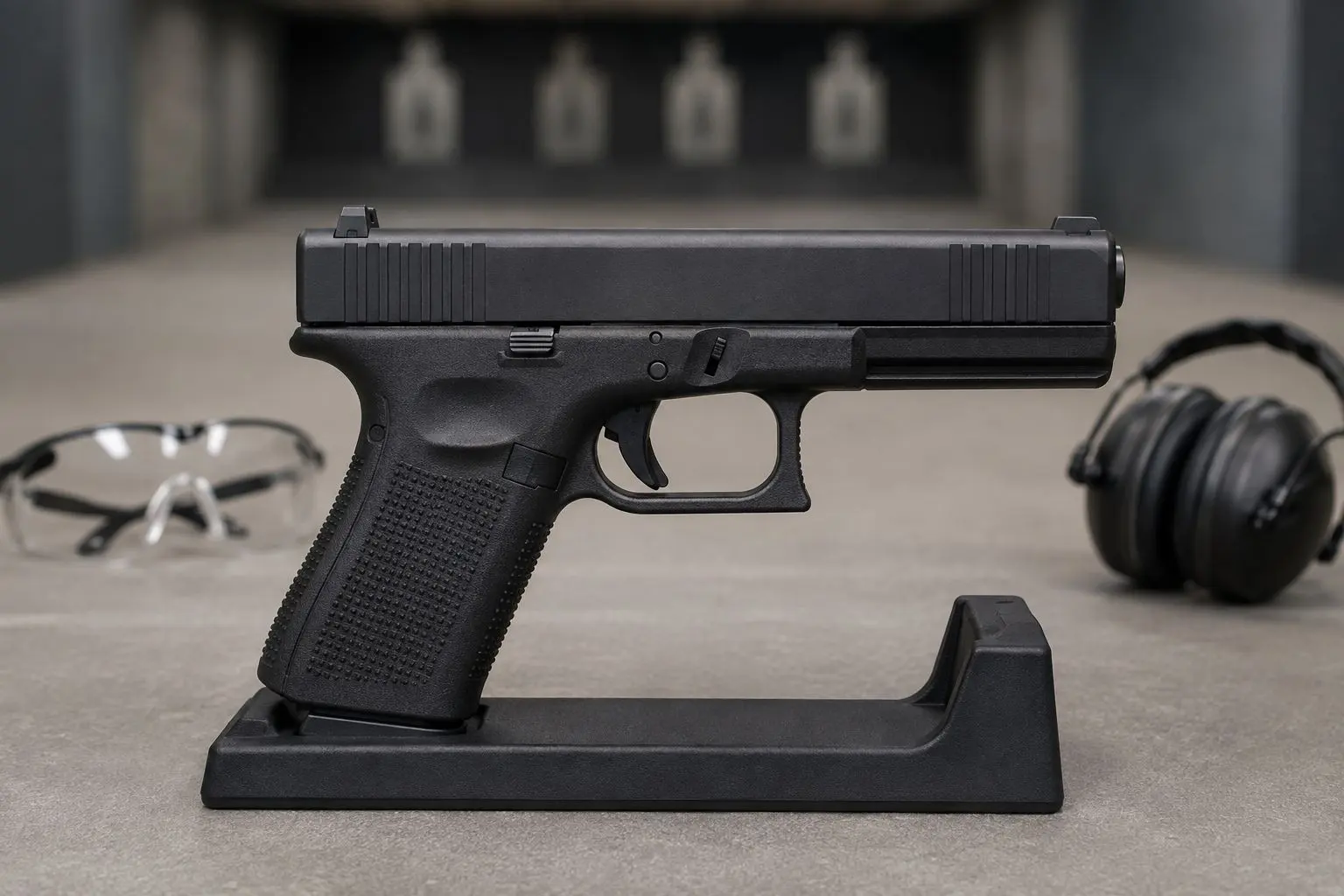
Think about how the gun you own will move from where its kept to the shooting range. Are you aware of what the range requires for carrying guns, including cases, kinds of bullets and safety equipment like ear and eye protection? Each range has rules; it's better to check them of assuming you know them from before.
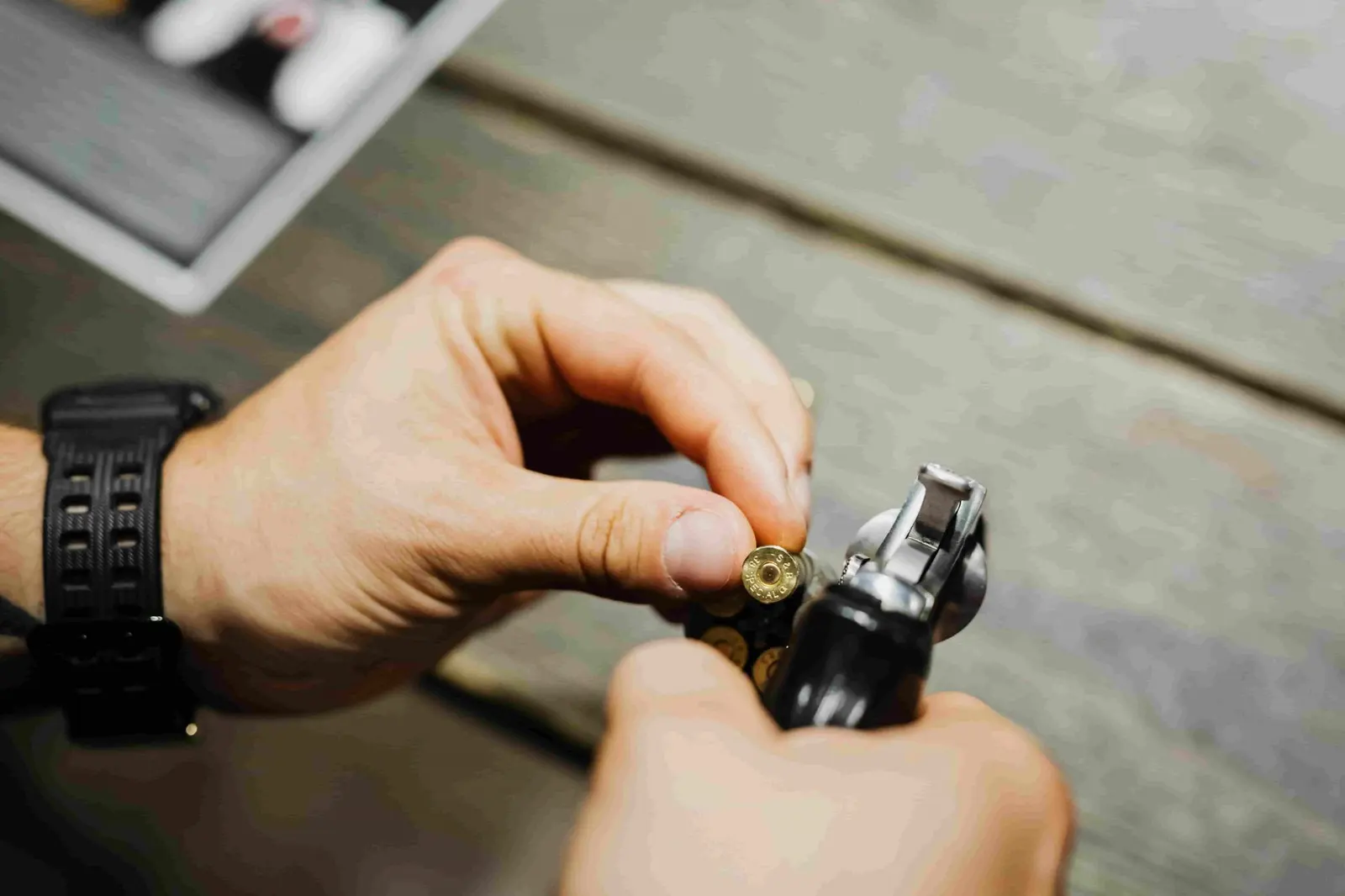
Your first purchase should not have steps that're too hard to remember. You should be able to find your gun, the bullets and the things you need without getting confused. Always follow the rules about how to store and handle the bullets along with the gun.
Also taking a class with a teacher can help you learn more about how to handle the gun safely how to load and unload it and how to act on the range. Pair this with reading the manual you understand all the rules and how to follow them.
Pre-Purchase Checklist
Before you decide use a useful checklist to make sure you are making a choice:
– The storage box has to fit the gun when its not loaded and close properly.
– You have to keep your finger from the trigger while handling the gun.
– The buttons and parts have to be easy to reach without changing how you hold the gun.
– Make sure the gun, the bullets and the case match what the maker says.
– Know the rules at the range about how to carry the gun what bullets to use and what gear to wear.
– Make a plan for where to keep the gun and a plan for training.
This checklist is simple and not in any order; it helps to find guns that look good but don't work well when you actually use them.
Maintenance Fit
The ability to take care of your gun easily is important for being an owner. Read the manual before you buy to understand how to clean it how to use the oil, how to check it and what to watch out for when you take it apart. If the cleaning steps seem hard for you get help from a professional of trying to figure it out on your own.
After you use the gun at the range follow the steps to unload and clean it as the maker says. Always point the front of the gun in a direction. Check that the gun is okay before you start to clean it. Use the tools and products; remember that much oil can bring in dirt and forcing parts can break them or make things unsafe. If something feels wrong with how the gun works, stop and ask a trained person for help.
In the end the best choice is one that you can handle with confidence. The right fit is more, than how it looks; it includes storage, easy transport, simple controls and things you can learn how to do. Make sure to check any laws and range rules before you buy as these can change and affect how you own the gun.